


In this blog
Australian businesses face a pressing challenge: only 16% of employees feel truly engaged at work, and 62% say they’d leave a job if they didn’t feel a sense of belonging. Low engagement can sabotage culture, productivity and retention. Successful organisations aren’t relying on one-size-fits-all comms; they’re building cultures where employees are heard, included and motivated, especially during periods of change and transformation.
Let’s start with the basics: most employees don’t leave a job because of the work; they leave because they feel unheard, undervalued or disconnected from the company’s story and future. With such a small percentage of Australian workers describing themselves as truly engaged, it’s clear that traditional internal communications (email blasts and top‑down memos) aren’t cutting it. To build a culture where people want to stay, grow, contribute and back a changing strategy, the internal conversation needs to become more strategic, inclusive, interactive and honest about where the organisation is heading and why.
Pollinate Brandcasting delivers internal communications that boost inclusion, spark real feedback and unify teams from the frontline to the boardroom — while also helping leaders communicate new directions, major shifts and transformation strategies in ways people can understand and support. The right approach means employees stay longer, perform better and help the business thrive, even as workplace expectations and business strategies continue to shift in 2026.

Why internal comms drive retention, culture and buy‑in
The numbers speak volumes: workplaces with effective communication enjoy employee retention rates up to 4.5 times higher than those that don’t. In fact, around 68% of organisations that increase their internal comms investment see improvements in employee retention, culture and engagement. More than 60% of employees say internal communication directly impacts their productivity, job satisfaction and alignment with company strategy – critical in times of change, when people are deciding whether to stay and support the new direction or look elsewhere.
So why the persistent gap? Many organisations still treat internal comms as an afterthought — tick‑a‑box staff updates, corporate jargon or town hall webinars with one‑way Q&A. The reality is that genuine culture‑building and successful transformation rely on ongoing, transparent, two‑way communication that unites C‑suite, managers and frontline staff around both today’s reality and tomorrow’s strategy. During change periods, people don’t just need to know what’s happening; they need to feel they have a voice, understand the ‘why’, and see how they can play a part in making it work.
Inclusion: more than a value statement
Australian businesses are increasingly diverse, with remote, hybrid and multi‑site teams now the norm. But only a small share of non‑desk employees say they’re very satisfied with internal communications, and many cite poor or confusing comms as a major reason for considering leaving.
Perceived gaps in communication fuel disengagement, especially when strategy changes land without context or conversation. Inclusion in 2026 means more than visible diversity; it’s about ensuring every voice is heard, and every team — from the head office to the warehouse floor — is connected to the mission and the changing direction.
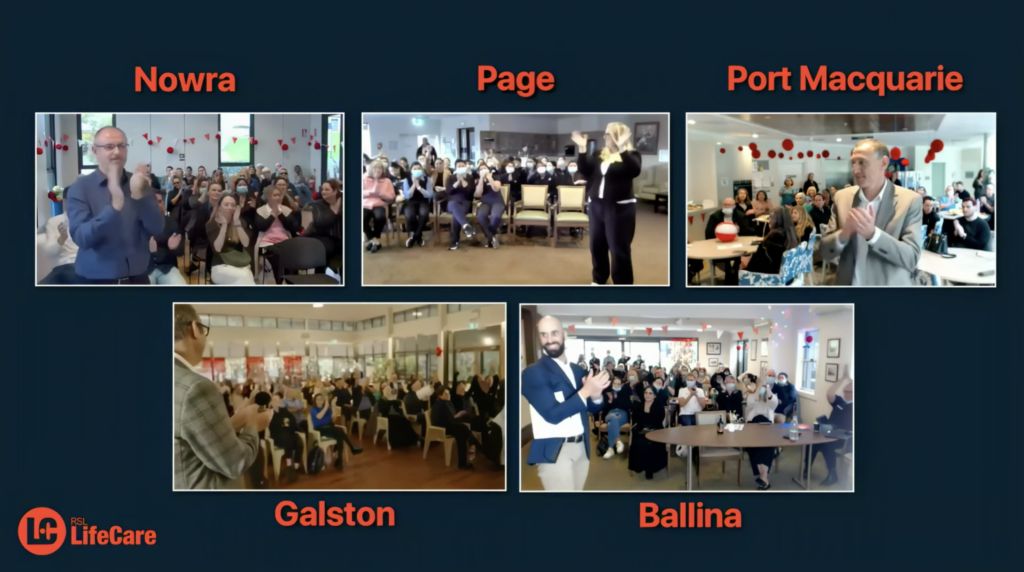
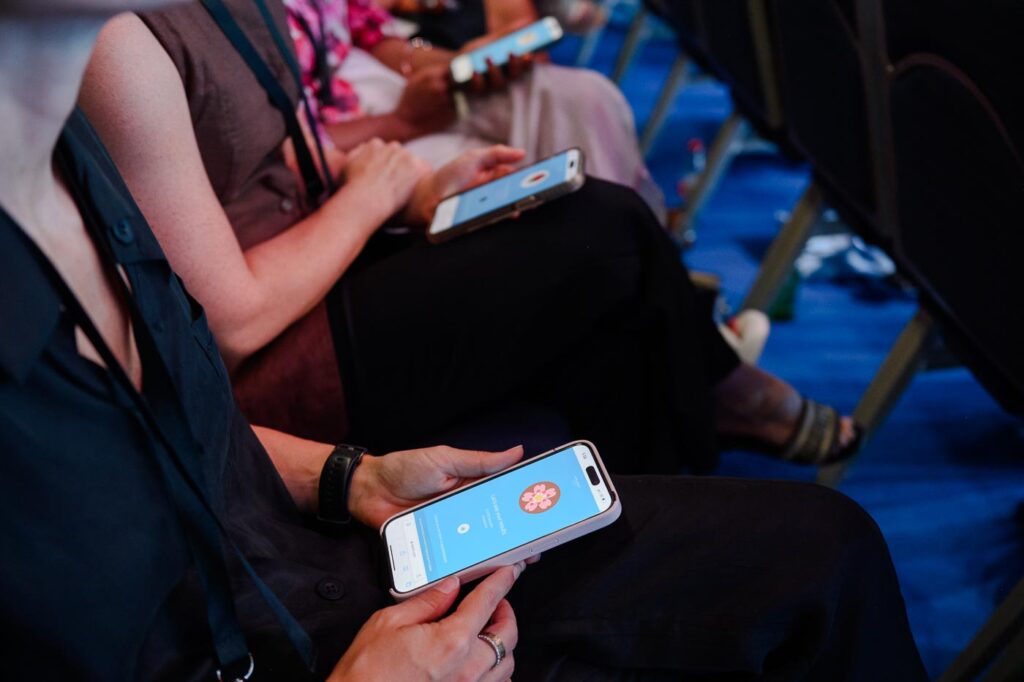
Pollinate Brandcasting helps organisations close this gap by producing interactive, locally relevant internal campaigns that deliver the strategic message through regionally tailored broadcasts and engage audience interaction live with second‑screen engagement – Q&A, preferences and instant polls so staff at all levels participate in real conversations rather than being ‘told’ what’s changing. That includes structured opportunities for employees to question, challenge and contribute to transformation efforts, not just receive them. Trusted feedback, participation in decision‑making and visible leadership all help build cultures where employees belong, feel safe to speak up and are more willing to get behind a new direction.
Culture, change and retention in action
Leaders who communicate openly and with clarity foster happier, more loyal teams. When employees rate leadership communication as “very clear”, they’re significantly more satisfied and committed in their roles. During change, clarity matters even more: people want to know what’s changing, what’s staying the same, and how decisions align with the organisation’s values and strategy. Pollinate’s digital‑first approach includes broadcast‑quality CEO messages, multi‑location announcements and branded showcases for shared wins and transformation milestones, so culture and change both become collective and visible — not just a CEO slogan or a PDF strategy.
What does this look like on the ground? Organisations that invest in frequent, interactive communication see job satisfaction, trust and productivity jump, particularly when they connect everyday work to the transformation story. And when employees feel supported and valued (regardless of pay), around 70%+ say they are more likely to stay, even if offered higher salaries elsewhere. For companies, this means stronger teams, reduced recruitment and onboarding costs and a culture that attracts top talent while keeping current employees engaged in delivering the new strategy.
Building inclusion and buy‑in through interactivity
Interactivity is the key differentiator. Rather than idle staff watching a broadcast, Pollinate Brandcasting creates local hosts, breakout discussions and real‑time focus switching, so feedback doesn’t just trickle up the chain: it shapes decisions, policies, practices and even elements of the transformation roadmap. In change scenarios, these formats provide people with structured ways to react, ask questions and share ideas, turning anxiety into dialogue and resistance into problem‑solving.
The results? Companies see fewer resignations, stronger compliance, sharper innovation and a measurable uptick in engagement and eNPS scores.
With digital engagement tools, mobile access and plain‑language messaging, all teams are included in the story, destination and direction of the business. Everyone understands how they contribute to the bigger picture and how their role fits into the new strategy, a sense that becomes self‑reinforcing as word of mouth and advocacy grow across sites and regions. When people feel they’ve had a voice in change, they’re far more likely to own it.
Transform your Internal comms – and your results
The challenge for 2026 is not just being ‘heard’ but truly ‘connecting’, especially when the business is moving in a new direction. With up to 68% improved retention and cultural scores rising for companies that get communications right, smart leaders are putting dialogue, feedback, participation and change communication at the forefront. Building a great place to work — and a strategy people actually believe in — isn’t accidental or magical; it’s the product of thoughtful, inclusive and continuous communication that treats employees as partners in change, not passengers.
Pollinate Brandcasting partners with HR, comms and leadership teams to make internal conversations count, from everyday culture moments to major transformation announcements. In a noisy and changing world, companies that invest in people‑first, change‑ready communications will be the ones employees remember — and the ones they choose to stay with and help transform.
References
Workplace Communication Statistics (2025) https://pumble.com/learn/communication/communication-statistics/
2025 International Employee Communication Impact Study https://staffbase.com/blog/employee-communication-impact-study-2025
Internal communications statistics: findings from Axios HQ 2025 annual report https://www.axioshq.com/insights/internal-communications-statistics
15 Workplace Communication Statistics You Need to Know https://www.sociabble.com/blog/employee-communications/communications-statistics/
The strong connection between internal comms and retention https://www.ragan.com/the-strong-connection-between-internal-comms-and-retention/
The Impact of Poor Internal Communications on Employee Retention https://www.sparrowconnected.com/blog/the-impact-of-poor-internal-communicationson-employee-retention
The 2025 Guide to HR Communication & High-Impact Metrics https://mirro.io/blog/hr-communication-metrics/
Employee Communications Report 2025 https://www.ajg.com/employeeexperience/-/media/files/gallaghercomms/gcommssite/employee-communications-report-2025.pdf